SOUTHERN STAFF STORIES: Hudson Overcomes Cancer After Most Unlikely Diagnosis
12/3/2020 12:50:00 PM | Football
Offensive line coach uses second chance to spread education about renal cancer
STATESBORO - "What's that?"
Those were the words emphatically brought up by an intern that ended up saving Ron Hudson's life.
Then an offensive line coach for the Nevada Wolf Pack, Hudson had been diagnosed with atrial fibrillation (AFib) in 2014 after feeling faint while moving his grass in the summer heat. After sitting in the emergency room losing patience, he tried to leave, but they wouldn't let him leave. He had stress tests done and doctors said he was close to having a heart attack.
According to the National Heart, Lung, and Blood Institute (NHLBI), AFib is "a common heart rhythm condition that occurs when the upper chambers of the heart beat irregularly, or too quickly, and do not pump all of the blood to the lower chambers, causing some blood to pool, and potentially form clots. If a clot breaks loose, it can travel to the brain and lead to a stroke."
In an effort to try and get the AFib under control, doctors put him on blood thinners.
When Hudson went back to the doctor in Reno, little did he know he'd be ushered nearly 250 miles and a state away in a race to save his life. At routine February 2015 check-up to look at his AFib, and the doctors suggested a quick procedure to get a valve back to normal. On Feb. 25, he went under for surgery, but woke up to the news that the procedure wasn't done.
"They found a blood clot in my heart and said it was about to dislodge," Hudson remembers. "They said if it did and would have gotten in my lungs, it would have killed me. The next thing I know, I'm on my way to Palo Alto a 6 a.m. open heart surgery the next day. I go talk to my kids at their school, get in the car and have the procedure the next day."
Hudson had the surgery and the clot was removed and all seemed well. After sitting out spring practice, he was given permission to go on the road recruiting in April and May in southern California. When working out one day, he said he felt awful and his athletic trainer sent him straight to the hospital.
"They X-Rayed my heart and I was like the opposite of The Grinch," Hudson said. "My heart was three sizes too big because I had bled into the pericardium around my heart. My heart was drowning."
But the ordeal wasn't over. Sitting with his family and cardiologists in a room look at his latest CT scan, they devised a plan to drain the heart. Then, in the back of the room, an intern caught everyone by surprise by speaking up and asking "What's that?" The doctor incredulously responded that it was his heart and dismissed his him. But the intern spoke up again. "No, what's that?" and was again dismissed by the doctors.
The meeting was over and everyone left the room. Thirty minutes later, the doctors said they needed to talk to him.
"The doctor said when they took the CT scan, they accidentally took a scan of my whole chest cavity instead of just my heart and in doing so, they found a 2 centimeter mass on my right kidney that they said was cancer. I just couldn't wrap my head around cancer. I was shocked but that intern saved my life."
In June of that year, Hudson had his whole kidney removed because the tumor was so big and close to the blood supply. He was back coaching at Nevada a month later and has been cancer free since that day.
"Here's the crazy part," Hudson said. "I'm going down the elevator to have the kidney surgery and out of nowhere my cardiologist jumps on the elevator and tells me he needs to talk to me. He said for months, he couldn't figure out why I was having a blood clot. I had AFib, but nothing showed I should have a blood clot. And he finally put it together that the number 1 factor for having blood clots is cancer so the reason I got the blood clot was because of the cancer. The blood clot saved my life. The accidental full chest cavity saved my life. The intern speaking up saved my life. It's just amazing that I'm still sitting here today but God has a plan for me."
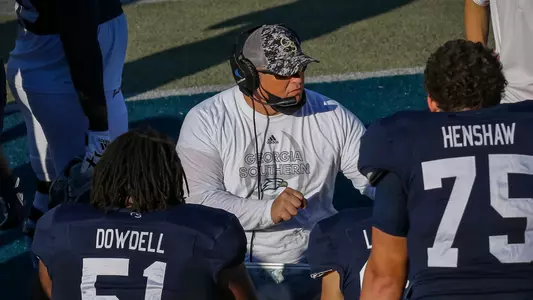
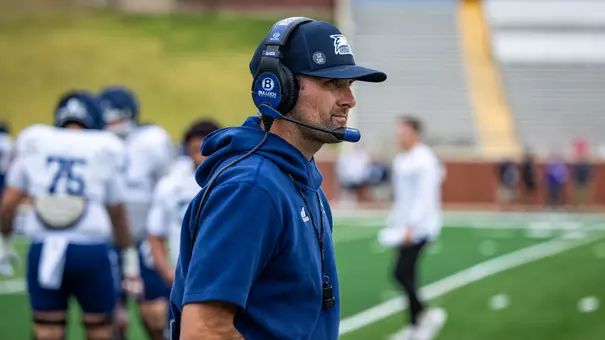
And now Hudson tries to use his second chance at educating people about all cancers, but particularly renal cancers. Now in his third season as the offensive line coach of the Eagles, he has yearly checkups to look at his markers and continue to be in great shape.
"I'm blessed," he said.
And a little luck never hurts either.
Those were the words emphatically brought up by an intern that ended up saving Ron Hudson's life.
Then an offensive line coach for the Nevada Wolf Pack, Hudson had been diagnosed with atrial fibrillation (AFib) in 2014 after feeling faint while moving his grass in the summer heat. After sitting in the emergency room losing patience, he tried to leave, but they wouldn't let him leave. He had stress tests done and doctors said he was close to having a heart attack.
According to the National Heart, Lung, and Blood Institute (NHLBI), AFib is "a common heart rhythm condition that occurs when the upper chambers of the heart beat irregularly, or too quickly, and do not pump all of the blood to the lower chambers, causing some blood to pool, and potentially form clots. If a clot breaks loose, it can travel to the brain and lead to a stroke."
In an effort to try and get the AFib under control, doctors put him on blood thinners.
When Hudson went back to the doctor in Reno, little did he know he'd be ushered nearly 250 miles and a state away in a race to save his life. At routine February 2015 check-up to look at his AFib, and the doctors suggested a quick procedure to get a valve back to normal. On Feb. 25, he went under for surgery, but woke up to the news that the procedure wasn't done.
"They found a blood clot in my heart and said it was about to dislodge," Hudson remembers. "They said if it did and would have gotten in my lungs, it would have killed me. The next thing I know, I'm on my way to Palo Alto a 6 a.m. open heart surgery the next day. I go talk to my kids at their school, get in the car and have the procedure the next day."
Hudson had the surgery and the clot was removed and all seemed well. After sitting out spring practice, he was given permission to go on the road recruiting in April and May in southern California. When working out one day, he said he felt awful and his athletic trainer sent him straight to the hospital.
"They X-Rayed my heart and I was like the opposite of The Grinch," Hudson said. "My heart was three sizes too big because I had bled into the pericardium around my heart. My heart was drowning."
But the ordeal wasn't over. Sitting with his family and cardiologists in a room look at his latest CT scan, they devised a plan to drain the heart. Then, in the back of the room, an intern caught everyone by surprise by speaking up and asking "What's that?" The doctor incredulously responded that it was his heart and dismissed his him. But the intern spoke up again. "No, what's that?" and was again dismissed by the doctors.
The meeting was over and everyone left the room. Thirty minutes later, the doctors said they needed to talk to him.
"The doctor said when they took the CT scan, they accidentally took a scan of my whole chest cavity instead of just my heart and in doing so, they found a 2 centimeter mass on my right kidney that they said was cancer. I just couldn't wrap my head around cancer. I was shocked but that intern saved my life."
In June of that year, Hudson had his whole kidney removed because the tumor was so big and close to the blood supply. He was back coaching at Nevada a month later and has been cancer free since that day.
"Here's the crazy part," Hudson said. "I'm going down the elevator to have the kidney surgery and out of nowhere my cardiologist jumps on the elevator and tells me he needs to talk to me. He said for months, he couldn't figure out why I was having a blood clot. I had AFib, but nothing showed I should have a blood clot. And he finally put it together that the number 1 factor for having blood clots is cancer so the reason I got the blood clot was because of the cancer. The blood clot saved my life. The accidental full chest cavity saved my life. The intern speaking up saved my life. It's just amazing that I'm still sitting here today but God has a plan for me."
And now Hudson tries to use his second chance at educating people about all cancers, but particularly renal cancers. Now in his third season as the offensive line coach of the Eagles, he has yearly checkups to look at his markers and continue to be in great shape.
"I'm blessed," he said.
And a little luck never hurts either.

Getting to Know: Delanie Thames (Softball)
Wednesday, April 15
Georgia Southern Football Media Availability (4/4/26)
Saturday, April 04
Declare your Major Day 2026
Tuesday, March 31
The GATA ZONE - Spring Volleyball
Thursday, March 26